
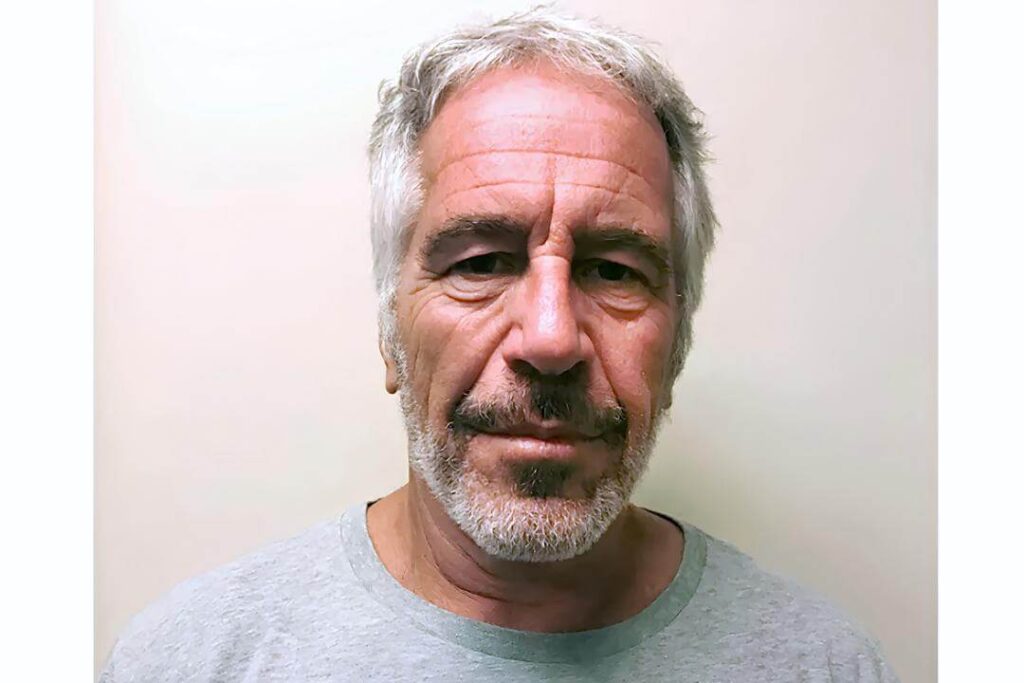
The long-running Jeffrey Epstein case has spanned two decades, involving criminal investigations, plea agreements, civil litigation, the prosecution of associates, and continuing disputes over the release of government records. Recent court rulings and legislation have intensified scrutiny of how authorities handled allegations against the financier and what information remains sealed.
Epstein, a wealthy financier accused of sexually exploiting underage girls and operating a sex-trafficking network, died in federal custody in New York in August 2019 while awaiting trial on federal charges. Investigators ruled his death a suicide. His former associate and longtime companion Ghislaine Maxwell was later convicted for her role in recruiting and grooming teenage girls for abuse and is serving a 20-year prison sentence.
The origins of the criminal case trace back to Palm Beach, Florida, where police opened an investigation in March 2005 after allegations that a 14-year-old girl had been sexually abused at Epstein’s residence. As investigators interviewed additional accusers, several reported being paid to provide sexualized massages, and many were minors at the time.
Palm Beach police sought serious charges in 2006, but the case took a controversial turn when a grand jury returned a single solicitation-related charge. Critics, including local law enforcement officials, questioned why broader allegations involving multiple teenage victims were not reflected in the indictment. The outcome prompted a separate federal investigation by the FBI, which examined allegations involving accusers from Florida, New York and other locations.
Federal prosecutors later prepared a potential indictment, but negotiations between Epstein’s legal team and federal authorities resulted in a non-prosecution agreement. In 2008, Epstein pleaded guilty in Florida state court to soliciting prostitution and soliciting prostitution from a minor. He received an 18-month jail sentence, community service requirements, and sex-offender registration.
The plea arrangement became one of the most scrutinized aspects of the case. Under the agreement, federal prosecutors declined to pursue charges, and Epstein served much of his sentence under a work-release program that allowed him to leave jail during the day.
After his release in 2009, numerous women pursued civil lawsuits seeking damages and challenging the federal agreement. Among them was Virginia Giuffre, who alleged that Epstein and Maxwell facilitated encounters with influential men. Individuals named in those allegations consistently denied wrongdoing.
Renewed public attention emerged in late 2018 after investigative reporting revisited the circumstances surrounding the plea deal and the role played by then-Labor Secretary Alexander Acosta, who had previously served as the U.S. attorney involved in the agreement.
Federal prosecutors in New York arrested Epstein in July 2019 on sex-trafficking charges, arguing they were not bound by the earlier Florida deal. Acosta resigned from his Cabinet position shortly afterward amid mounting criticism over the handling of the original case.
Epstein’s death the following month ended the criminal proceedings against him but did not halt investigations into others connected to the case.
Maxwell Conviction and Sentencing
Federal prosecutors charged Maxwell in July 2020, alleging she helped recruit underage girls for Epstein and participated in the abuse scheme.
A New York jury convicted her in December 2021 on multiple counts, including sex trafficking and conspiracy offenses. She was sentenced in June 2022 to 20 years in federal prison.
Her legal team has continued efforts to overturn the conviction. In March 2024, a federal appeals court heard arguments challenging both the verdict and sentence. The appeal remained the subject of further legal proceedings through 2025, with the U.S. Department of Justice urging the Supreme Court to reject Maxwell’s challenge.
Court Records and Document Releases
Questions surrounding Epstein’s associates and the handling of past investigations fueled a series of document releases beginning in late 2023.
A federal judge ordered the unsealing of numerous court records connected to Epstein-related litigation, leading to the publication of thousands of pages of documents during January 2024. While the records attracted widespread attention, they produced few major revelations beyond information already known from previous investigations and lawsuits.
Florida lawmakers also moved to increase transparency surrounding the original Palm Beach investigation. Governor Ron DeSantis signed legislation in February 2024 allowing judges to authorize the release of certain grand jury materials under specific circumstances.
That effort led to the publication of grand jury transcripts in July 2024. The records shed additional light on witness testimony, investigative findings and prosecutorial decisions made during the 2006 inquiry.
New Disputes Over Epstein Files
The debate over public access to Epstein-related records intensified in 2025.
In February, the Department of Justice provided a collection of Epstein documents to a limited group of conservative influencers, drawing criticism from some lawmakers who questioned the selective release.
A more significant development followed in July when the Justice Department and FBI issued a memorandum stating that investigators had found no evidence of a so-called Epstein “client list” and no evidence that Epstein maintained a blackmail operation. The agencies also said no further releases were planned, prompting criticism from some transparency advocates and political figures who had demanded broader disclosure.
Congress later approved the Epstein Files Transparency Act in November 2025, requiring additional records to be released. President Donald Trump signed the measure into law, establishing a December deadline for disclosure.
In December, judges authorized the unsealing of materials from a previously abandoned Florida grand jury investigation, records connected to Maxwell’s prosecution, and transcripts from the 2019 federal case against Epstein.
What Comes Next
The continuing release of court filings, investigative records and grand jury materials is expected to keep the Epstein case in the public spotlight. Legal proceedings involving Maxwell’s appeals remain ongoing, while federal and state courts continue to determine which remaining records can be disclosed.
Despite extensive investigations and thousands of pages of released documents, questions surrounding the full scope of Epstein’s activities, his network of associates, and past prosecutorial decisions continue to generate public and political scrutiny.