The first round of direct negotiations between the United States and Iran aimed at securing a comprehensive agreement to end months of regional conflict concluded Sunday with what mediating countries described as meaningful progress, as both sides committed to pursuing a final accord within the next 60 days.
Qatar and Pakistan, which are jointly facilitating the negotiations, announced that representatives from Washington and Tehran had endorsed a roadmap designed to guide discussions toward a permanent settlement. Technical-level negotiations are scheduled to continue throughout the week as diplomats work through key political and security issues.
The mediators said the talks also established a direct communication mechanism intended to reduce misunderstandings and help safeguard commercial navigation through the Strait of Hormuz, one of the world’s most strategically important maritime trade routes. A separate de-confliction mechanism involving the United States, Iran and Lebanon will also be created to support efforts to halt military operations linked to the conflict in Lebanon.
Iranian Foreign Minister Seyed Abbas Araghchi described the opening round as having produced significant progress, particularly regarding efforts to end hostilities affecting Lebanon.
The negotiations follow a memorandum of understanding signed last week by the United States and Iran that called for reaching a comprehensive agreement within 60 days. That preliminary accord also outlined commitments to halt fighting across multiple fronts, reopen the Strait of Hormuz and begin addressing wider regional security concerns.
Despite those commitments, violence has continued in Lebanon.
Israeli airstrikes and fighting with Hezbollah have intensified since the memorandum was signed. Lebanon’s Health Ministry says Israeli strikes have killed dozens of people, including women and children, while Hezbollah attacks have continued against Israeli forces. In response to the deteriorating security situation, the United States announced a new ceasefire initiative between Israel and Hezbollah on Friday.
Iran also announced Saturday that it had closed the Strait of Hormuz. However, publicly available maritime tracking data indicated that commercial shipping continued moving through the waterway, with multiple oil tankers and cargo vessels recorded transiting the strait. Tracking services note that not all vessels continuously broadcast their positions.
The talks opened in Switzerland amid renewed political tensions between Washington and Tehran.
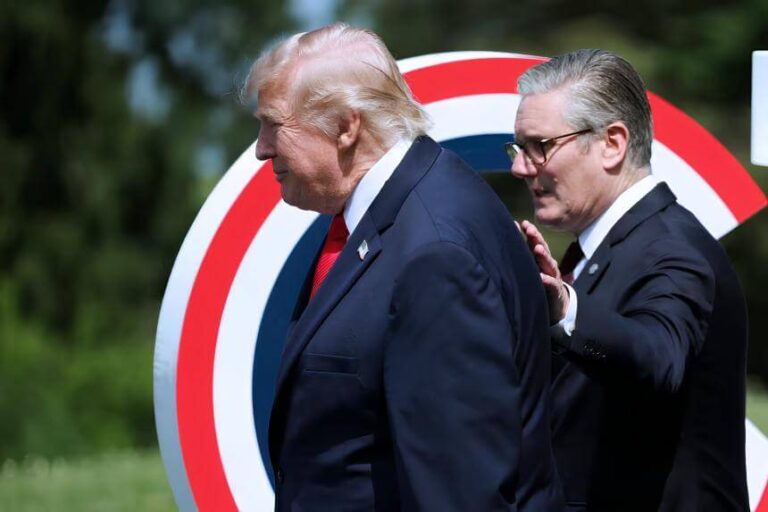
U.S. President Donald Trump warned that Iran should immediately restrain armed groups allied with Tehran operating in Lebanon, saying further instability could prompt renewed American military action against Iran.
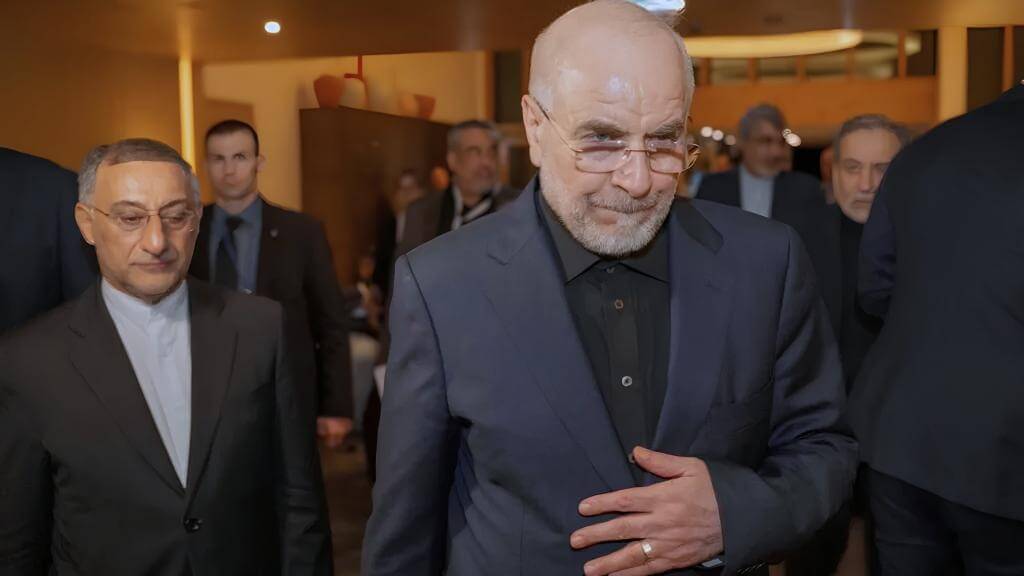
Iran’s chief negotiator, Mohammad Bagher Ghalibaf, dismissed the warning, arguing that previous threats had failed to alter Tehran’s position.
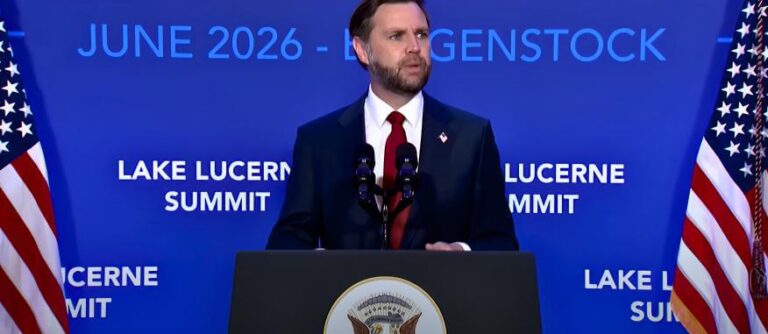
Speaking before negotiations began, U.S. Vice President JD Vance said President Trump had instructed American negotiators to pursue a fresh chapter in relations with Iran if Tehran abandoned what Washington describes as regional destabilization and long-term nuclear weapons ambitions.
Iran has consistently maintained that its nuclear programme is exclusively for peaceful civilian purposes.
The American delegation includes Vice President Vance, Special Envoy Steve Witkoff and Jared Kushner, while Iran is represented by Ghalibaf and Foreign Minister Araghchi. Senior officials from both Qatar and Pakistan also attended the negotiations, reflecting their central role in mediation efforts throughout the conflict.
Although the preliminary agreement envisions broad economic and diplomatic measures—including reopening the Strait of Hormuz, lifting the U.S. military blockade affecting Iranian shipping, ending American sanctions and supporting a $300 billion reconstruction plan for Iran—the future of Iran’s nuclear programme remains one of the most significant unresolved issues.
The nuclear dispute has been a longstanding source of tension between the two countries, particularly after the United States withdrew from the previous international nuclear agreement during Trump’s first presidential term and reinstated economic sanctions on Iran.
Meanwhile, conditions in Lebanon remain fragile.
Israeli Prime Minister Benjamin Netanyahu has said Israeli forces will remain in southern Lebanon for as long as necessary to protect communities in northern Israel. Hezbollah leader Naim Qassem has rejected any continued Israeli military presence in southern Lebanon and said the group would continue defending itself.
Israeli officials maintain that military operations against Hezbollah are separate from the broader conflict involving Iran.
According to Lebanon’s Health Ministry, more than 4,000 people have been killed in Lebanon since early March. Israeli authorities say at least 34 Israeli soldiers and four civilians in northern Israel have also been killed during the fighting.
Negotiators are expected to continue technical discussions over the coming days as mediators seek to translate the initial framework into a comprehensive agreement addressing regional security, maritime stability and the future of Iran’s nuclear programme.