Houston-based petroleum trader Ikon Midstream is under investigation by Mexican authorities over its alleged role in a fuel smuggling network that investigators believe benefited the Jalisco New Generation Cartel (CJNG), according to Mexican security documents and officials familiar with the inquiry.
The investigation centers on petroleum shipments imported into Mexico from the United States and Canada that investigators suspect were deliberately misclassified to avoid import taxes. Mexican authorities are examining whether Ikon Midstream supplied fuel that entered a broader distribution network involving companies and transport operators now under criminal scrutiny.
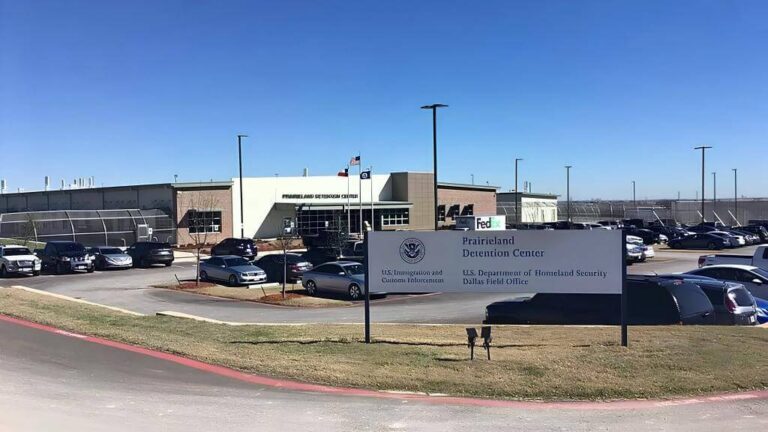
The inquiry comes after U.S. Homeland Security Investigations executed a criminal search warrant at Ikon Midstream’s Houston offices on April 14. The U.S. Department of Homeland Security later confirmed the operation was part of an ongoing criminal investigation but has not disclosed further details or said whether it is coordinating with Mexican authorities.
Ikon Midstream has denied any wrongdoing.
In statements issued following the U.S. raid, the company said it has never knowingly provided material support or resources to CJNG and argued that investigative actions by law enforcement should not be interpreted as evidence of misconduct. Company Executive Director Rhett Kenagy also rejected allegations linking the firm to organized crime, describing them as unsupported.
Fuel shipments under scrutiny
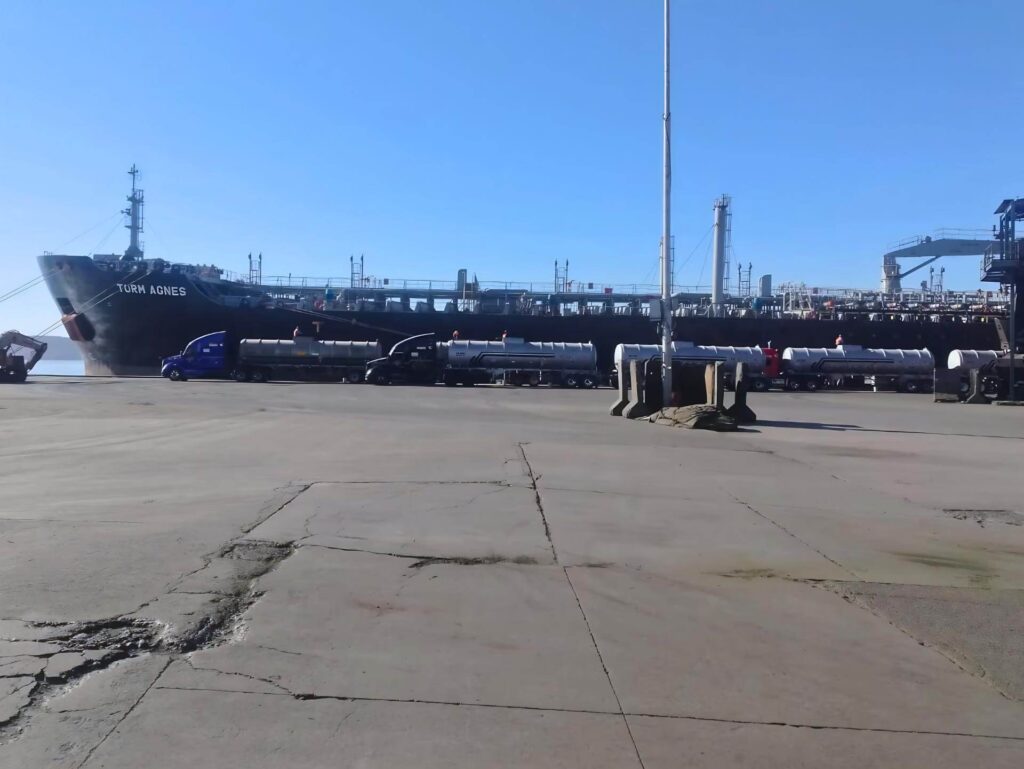
Among the transactions being reviewed is a diesel cargo transported aboard the tanker Torm Agnes, which was exported by Ikon Midstream and delivered to Mexican ports in 2025. Mexican investigators are examining the shipment’s movement through the ports of Ensenada and Guaymas, where fuel was transferred to tanker trucks.
Authorities are also investigating Ikon Midstream’s reported business relationship with trucking company Mefra Fletes, which security documents identify as playing a significant role in the movement of petroleum products connected to the alleged smuggling operation.
A separate government document reviewed by investigators reportedly links several owners or representatives of Mefra Fletes to CJNG. Reuters reported it could not determine whether those individuals have been formally charged.
Mexican authorities have announced at least 16 arrests since September in connection with fuel-smuggling investigations. While officials have described dismantling part of a criminal network, they have not publicly identified those arrested or confirmed specific cartel affiliations.
Trade documents raise questions
Investigators are also reviewing export documentation prepared by Ikon Midstream for multiple petroleum shipments.
Internal company records provided by Ikon Midstream reportedly showed that at least four shipments containing diesel or naphtha were declared on U.S. export paperwork using tariff classifications associated with lubricants.
The distinction is significant because lubricants are exempt from import duties that apply to diesel and other refined fuels entering Mexico.
Ikon Midstream initially maintained that its customs classifications were appropriate but later acknowledged inaccuracies in some export filings. The company described the errors as clerical mistakes and said they were not intended to avoid taxes.
U.S. Customs and Border Protection has stated that the tariff code used on the shipments is not the proper classification for diesel or naphtha. The agency said repeated errors involving Harmonized Tariff Schedule codes can trigger enforcement measures, including penalties, cargo seizures and increased regulatory scrutiny.
Former customs officials have said that matching incorrect product classifications on both sides of an international shipment can make fuel-smuggling schemes significantly more difficult to detect.
Customers also under investigation
Mexican investigators are examining Ikon Midstream’s commercial dealings with Azteca Cone, a customer identified in company invoices covering multiple fuel shipments during 2025.
Security documents reviewed as part of the investigation identify Azteca Cone as a company suspected of involvement in the alleged fuel-smuggling network and of having links to CJNG.
Another company, Intanza, is also under investigation. Mexican authorities suspect it served as a front company within the same operation.
Reuters previously reported that it was unable to locate an operational business presence for either company, despite addresses listed on commercial documents. The news agency also reported finding no publicly available evidence that either company possessed permits required by Mexico’s Energy Ministry to import diesel or naphtha.
Ikon Midstream has said it was not legally responsible for verifying whether customers held Mexican import permits or maintaining their physical business locations.
Both Azteca Cone and Intanza later lost their authorization to import goods after being suspended from Mexico’s official importers registry. Tax authorities have not publicly detailed the reasons beyond citing regulatory links to previously suspended entities.
Trade records also show numerous other Mexican companies that conducted business with Ikon Midstream were subsequently suspended from the import registry for reasons including missing documentation, tax compliance issues or inability to verify their operations.
Growing focus on cartel fuel trafficking
Fuel smuggling has become one of Mexico’s most lucrative organized crime activities, generating billions of dollars annually through tax evasion and illegal fuel distribution. U.S. authorities have identified illicit fuel trafficking as the second-largest revenue source for Mexican criminal organizations after narcotics.
The alleged scheme under investigation involves falsely declaring diesel, gasoline or naphtha as lower-tax petroleum products such as lubricants, allowing importers to avoid substantial duties while making shipments appear legitimate through coordinated customs documentation.
Legal experts have noted that U.S. exporters are expected to conduct due diligence on overseas customers, particularly after CJNG and several other Mexican cartels were designated as foreign terrorist organizations by the United States in 2025.
Ikon Midstream has said it follows a risk-based customer screening program and has never knowingly conducted business with sanctioned entities.
The company also maintains that import declarations made inside Mexico are the responsibility of importers rather than exporters.
Investigation continues
Neither Mexican prosecutors nor U.S. investigators have announced criminal charges against Ikon Midstream.
The investigations in both countries remain active as authorities continue examining shipping records, customs filings and commercial relationships tied to cross-border petroleum exports.
Several companies referenced in the inquiry, including Mefra Fletes, Azteca Cone and Intanza, have not publicly responded to allegations connected to the investigation.