Although a large-scale federal immigration enforcement operation in Minnesota ended months ago, many immigrants, refugees and community organizations say its effects continue to shape daily life, with concerns over future enforcement, unresolved immigration cases and lasting economic damage.
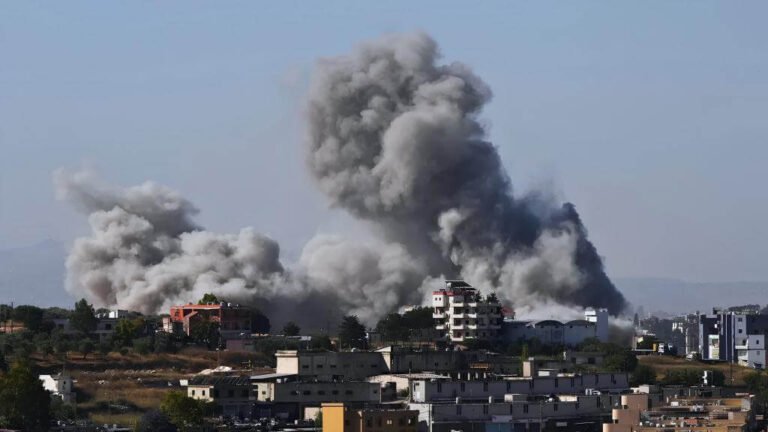
Operation Metro Surge, launched in December as part of President Donald Trump’s broader immigration crackdown, brought a substantial federal law enforcement presence to the Minneapolis area. The initiative targeted undocumented immigrants, with the administration linking it to a major federal investigation into fraud within Minnesota’s childcare sector, an inquiry officials said largely involved defendants from the state’s Somali community.
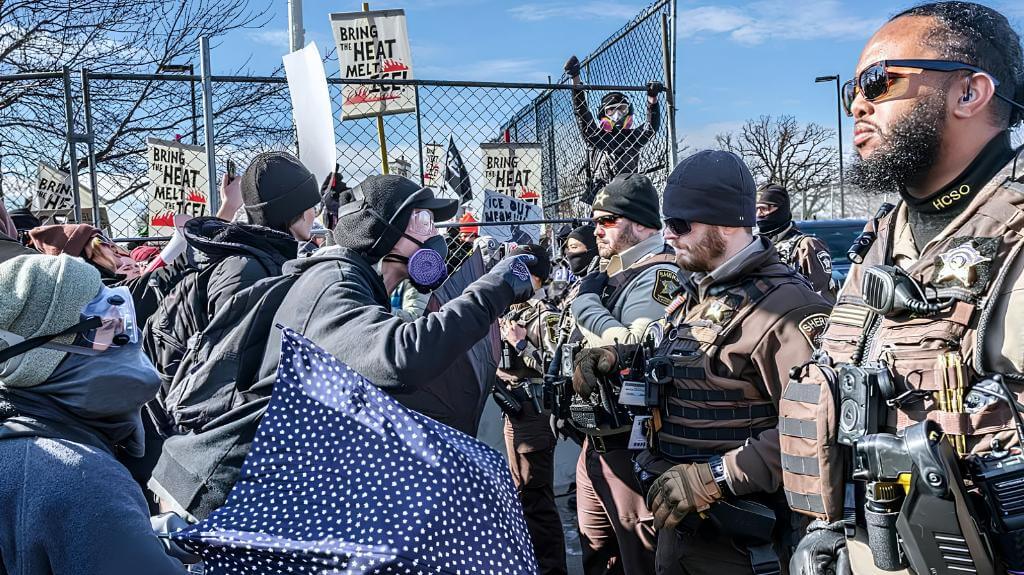
The operation drew national attention after two U.S. citizens, Renee Good and Alex Pretti, both 37, were fatally shot by federal agents in separate incidents during protests in January. The deaths triggered widespread demonstrations and growing criticism from civil rights groups, community leaders and some Republican lawmakers.
By the end of February, the administration withdrew hundreds of federal personnel from the region following mounting political and public pressure. Despite the reduction, immigration enforcement has continued in a more limited form.
Many residents who were granted asylum or permanent legal status say they remain uncertain about their future. Refugee support organizations report that fear persists even among lawful immigrants, with some families still reluctant to leave their homes or resume normal routines because they worry enforcement activity could intensify again.
Community advocates describe the psychological impact as extending well beyond the conclusion of the operation. Schools that previously organized food assistance and financial support for affected families have largely ended emergency programs, but educators say some students never returned after relatives lost employment or feared possible immigration arrests.
Federal officials maintain the operation achieved its objective of removing individuals accused or convicted of serious crimes. The Department of Homeland Security said thousands of what it described as “criminal illegal aliens” were arrested during the campaign and cited cases involving allegations or convictions for offenses including murder, rape, domestic violence and theft.
Government data obtained by the Deportation Data Project, however, indicates that more than 60% of those arrested in Minnesota had neither criminal convictions nor pending criminal charges.
Although the visible federal presence has diminished, immigration advocates say enforcement continues through targeted operations, particularly outside Minneapolis and St. Paul. Reports from advocacy groups allege that officers have continued visiting businesses in suburban communities seeking employment records, though U.S. Immigration and Customs Enforcement has declined to discuss operational details publicly.
Legal uncertainty has also expanded beyond enforcement operations. Earlier this year, U.S. Citizenship and Immigration Services announced it would re-examine approximately 5,600 refugee cases in Minnesota involving individuals who had not yet received permanent resident status, arguing previous vetting procedures were inadequate. Refugee service providers say some individuals undergoing review have been transferred to immigration detention facilities outside the state and interviewed again without legal representation.
Others remain in administrative limbo, with some receiving notices indicating the government intends to revoke their refugee status while many others continue waiting without decisions.
The operation also produced significant economic consequences across the Twin Cities.
Businesses along Lake Street in south Minneapolis, an area with a large concentration of immigrant-owned enterprises, experienced substantial losses during the enforcement campaign. The Lake Street Council estimates that at least half of businesses along the corridor temporarily closed during the height of the operation, resulting in monthly revenue losses exceeding $30 million.
The U.S. Immigration Policy Center estimated workers across Minneapolis and St. Paul collectively lost about $240 million in wages during the period as many remained home because of fears surrounding immigration enforcement. The organization also estimated businesses throughout the metropolitan area lost roughly $610 million in revenue.
Housing data has reflected broader financial strain. Research from Princeton University’s Eviction Lab shows eviction filings across Minnesota in 2026 increased by approximately 8% compared with the previous year.
When asked about criticism that the operation damaged local communities and businesses, the Department of Homeland Security defended the enforcement campaign, saying the public safety benefits outweighed the economic costs.
Community organizations, however, argue recovery will take considerably longer than the operation itself. They say lingering trauma, unresolved immigration reviews and continuing targeted enforcement have left many families uncertain about what comes next, even as daily life in Minneapolis has largely returned to normal.