JERUSALEM, Prominent supporters of U.S. President Donald Trump have moved to reassure Israeli audiences amid growing unease over Washington’s recent diplomatic engagement with Iran and a series of public disagreements between the White House and Israeli Prime Minister Benjamin Netanyahu.
The concerns surfaced prominently during policy discussions in Jerusalem this week, where politicians, commentators and analysts debated whether recent developments signal a shift in one of Israel’s most important strategic relationships.
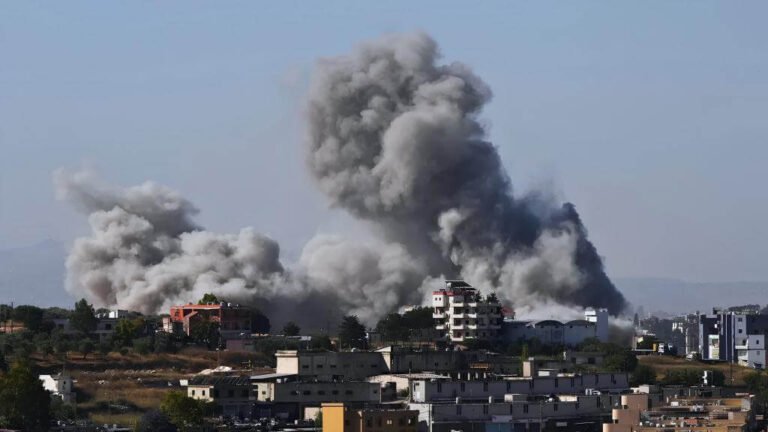
At the center of the debate is a newly signed interim understanding between the United States and Iran. Many Israelis fear the arrangement could strengthen Tehran while limiting Israel’s freedom to respond to regional threats, particularly those linked to Hezbollah in neighboring Lebanon.
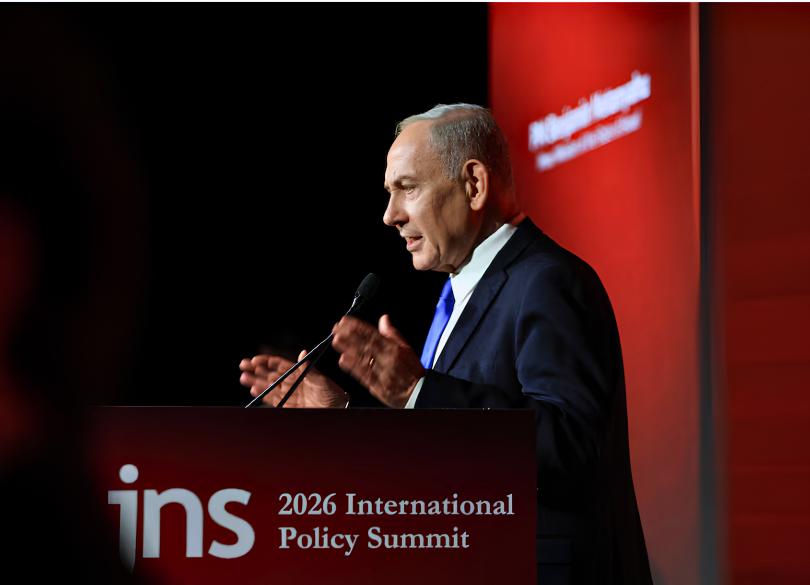
Speaking at a foreign policy conference in Jerusalem, U.S. Ambassador Mike Huckabee acknowledged widespread anxiety about the state of relations between the two allies but insisted that the partnership remains fundamentally intact.
“The United States and Israel have an unbreakable bond,” Huckabee said, while recognizing concerns expressed by Israeli officials, analysts and members of the public.
Questions Over Washington’s Direction
Recent tensions have emerged after months of close military coordination between Washington and Jerusalem, including joint operations against Iran. Since then, differences have become increasingly visible over diplomatic efforts to end regional conflicts and the terms of engagement with Tehran.
Trump has pressed for arrangements aimed at reducing hostilities, including a ceasefire involving Hezbollah in Lebanon. His public remarks regarding Netanyahu’s handling of the conflict have attracted attention in Israel, where many view signs of disagreement from Washington with concern.
Vice President JD Vance has also adopted a more nuanced tone on Israel than many Republican leaders traditionally have. While describing Trump as a strong supporter of Israel, Vance has argued that criticism of Israeli policies should not automatically be dismissed as antisemitic.
Those comments have added to concerns among some Israelis that political support for their country is evolving within the Republican Party, long regarded as a dependable ally.
Shifting Attitudes in the United States
The debate comes against the backdrop of changing public opinion in the United States.
A Pew Research Center survey conducted in March found that attitudes toward Israel have become less favorable among younger Republicans. The poll showed that 57% of Republicans aged 18 to 49 viewed Israel unfavorably, compared with 50% a year earlier.
Support among older Republicans remains significantly stronger, but the findings have fueled discussion in Israel about the long-term durability of bipartisan American backing.
Public criticism of Israel has intensified in parts of the United States following the war in Gaza, which began after Hamas launched its October 7, 2023 attack on Israeli communities and took hostages. Israel has also faced scrutiny over its role in the conflict with Iran, a war that has generated opposition among segments of both the American public and Trump’s political base.
Trump Supporters Defend the Alliance
Despite disagreements over the Iran initiative, several influential conservative figures sought to emphasize the broader relationship between Trump and Israel.
Conservative broadcaster Mark Levin, who has criticized the agreement with Iran, nevertheless praised Trump’s record on issues including religious freedom and support for Israel.
Radio host Sid Rosenberg delivered a similar message, telling conference attendees that despite frustrations with recent policy decisions, Trump remained Israel’s strongest option in Washington.
Their remarks reflected a broader effort among Trump allies to calm concerns that policy disputes could develop into a more significant rupture between the two governments.
Victoria Coates, a vice president at the Heritage Foundation and a former deputy national security adviser during Trump’s first administration, acknowledged that recent developments had created challenges but expressed confidence that the relationship would recover.
Netanyahu Sees No Immediate Policy Shift
Despite public concern, Israeli officials familiar with Netanyahu’s position say the prime minister does not believe recent comments from Trump or Vance indicate a major change in U.S. policy.
According to two Israeli officials, Netanyahu does not expect practical consequences such as reduced military cooperation or delays in American arms deliveries. The officials said the prime minister views some of the rhetoric as potentially linked to domestic political considerations ahead of U.S. midterm elections later this year.
Looking Beyond Washington
The uncertainty has also revived a longstanding debate inside Israel about strategic independence.
Some political figures argue that changing political dynamics in the United States demonstrate the need for Israel to further strengthen its own military capabilities, technological sectors and international partnerships.
Ohad Tal, who chairs the U.S.-Israel caucus in the Knesset, said Israel must be prepared for a future in which support from Washington may not always be guaranteed at current levels.
As negotiations involving Iran continue and regional ceasefire efforts remain fragile, questions about the future direction of U.S.-Israel relations are likely to remain a central topic in both Jerusalem and Washington.