The United States and Iran have paused active hostilities following a new memorandum of understanding that keeps diplomatic negotiations alive for another 60 days, offering a temporary halt to a conflict that lasted more than 100 days. While President Donald Trump has presented the outcome as a clear success, government data, economic indicators and defense assessments point to a more complex legacy for the United States.
The conflict resulted in significant military expenditures, disruptions to global energy markets, higher consumer costs and renewed pressure on key US strategic resources. It also unfolded against a backdrop of political challenges for the White House as voters continued to express concerns about inflation and economic conditions.
More than 13 American service members were killed during the conflict, while civilian deaths across the region exceeded 7,500, according to figures cited in public reporting.
Military Costs Mount
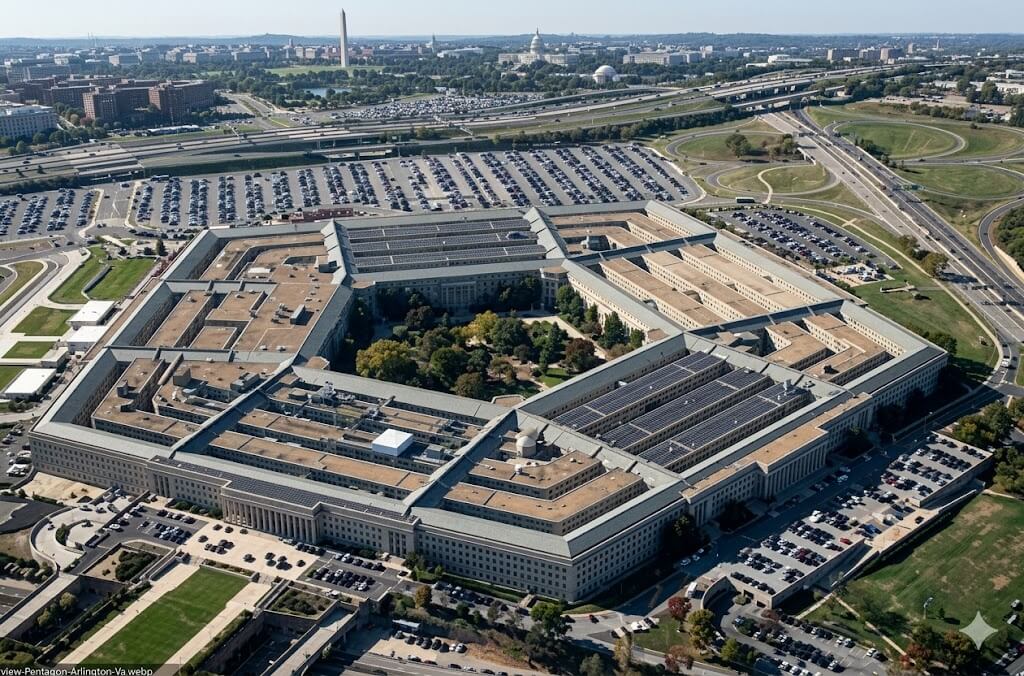
Preliminary estimates from the Center for Strategic and International Studies place the direct cost to the Pentagon at roughly $40 billion. The figure includes expenditures on weapons systems, destroyed equipment and damage to military facilities but excludes broader operational expenses already incorporated into the Defense Department’s fiscal year 2026 budget.
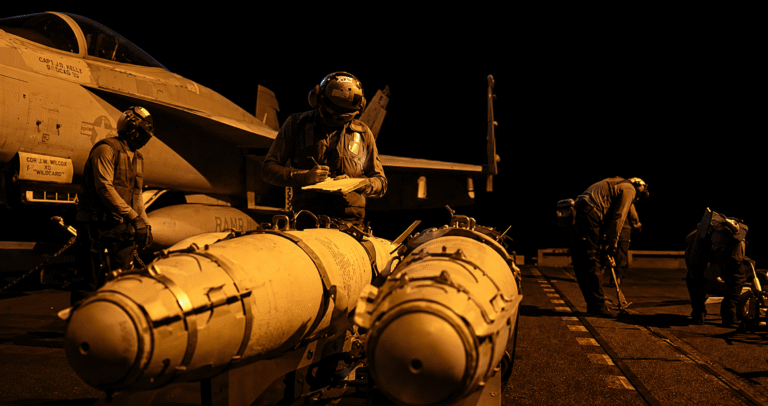
A substantial share of those costs came from munitions. Analysts estimate that approximately $26 billion was spent on missiles and other precision weapons. Long-range systems such as Tomahawk cruise missiles, which carry multimillion-dollar price tags, were used extensively during the campaign.
The scale of consumption also placed pressure on US weapons inventories. Concerns over depleted stockpiles prompted the administration to invoke the Defense Production Act earlier this month to accelerate defense manufacturing and replenish supplies.
Pentagon officials have reportedly requested an additional $80 billion in supplemental funding, though only a portion of that request is directly linked to immediate wartime requirements.
Federal agencies beyond the Defense Department also absorbed additional costs, including spending associated with homeland security operations, veterans’ services and higher fuel expenses.
Energy Markets Feel the Impact
One of the most visible domestic consequences of the conflict was the increase in fuel prices.
Global oil supplies tightened as exports from parts of the Middle East were disrupted, contributing to a sharp rise in gasoline and diesel costs. National average gasoline prices climbed above $4 per gallon during much of the conflict before beginning to ease as shipping routes through the Strait of Hormuz moved toward reopening.
Diesel prices experienced even steeper increases, creating additional costs for freight companies, farmers and industries dependent on transportation. Rising fuel costs also contributed to higher fertilizer prices, raising concerns within the agricultural sector about future production expenses.
Analysts estimate that American households collectively paid billions of dollars more for energy during the conflict than they would have under normal market conditions.
Strategic Oil Reserves Under Pressure
The war also intensified concerns about US energy security.
The Strategic Petroleum Reserve, which serves as the nation’s emergency oil stockpile, has fallen to its lowest level since the early 1980s. The reserve had already been reduced following releases linked to the global energy disruptions caused by Russia’s invasion of Ukraine. Additional drawdowns during the Iran conflict further depleted available reserves.
Meanwhile, global markets lost an estimated 1.15 billion barrels of oil supply during the fighting. Producers in countries including Brazil and Venezuela increased output, while emergency stockpile releases were coordinated internationally to stabilize markets.
Despite those measures, inventories at major storage hubs declined. The oil storage center in Cushing, Oklahoma, reached levels that industry analysts describe as operationally stressful, raising concerns about the flexibility of domestic supply networks if another major disruption occurs.
Inflation and Borrowing Costs Remain Elevated
Higher energy prices contributed to broader inflationary pressures.
Annual inflation moved above 4%, marking its highest level in three years. Economists noted that energy costs were a major factor behind the increase.
The rise in prices complicated efforts by the Federal Reserve to ease monetary policy. Policymakers declined to reduce interest rates, citing persistent inflation concerns.
For many households, wage growth failed to keep pace with rising prices during recent months, eroding purchasing power and intensifying concerns over affordability.
Bond markets also reacted to inflation risks. Treasury yields climbed during the conflict, influencing borrowing costs across the economy. Mortgage rates remained elevated, adding further strain to a housing market already struggling with affordability challenges.
Markets Show Resilience Despite Economic Concerns
Financial markets told a different story.
Major US stock indexes recovered from initial wartime declines and continued reaching record highs, supported by investor confidence, technology-sector growth and several high-profile public offerings.
Consumer sentiment showed modest improvement in June after several months of decline. However, confidence levels remain significantly below long-term averages, reflecting ongoing concerns about living costs and economic uncertainty.
Political Impact
The conflict has not significantly altered Trump’s political standing.
National polling indicates the president’s approval rating remains below 40%, largely unchanged from levels recorded before the war began. Surveys also show more Americans disapprove than approve of his handling of both the economy and the Iran conflict.
With negotiations scheduled to continue over the coming weeks, the administration now faces the challenge of converting a military ceasefire into a durable diplomatic outcome while addressing the economic consequences that remain visible to American households.
Whether the pause in hostilities delivers lasting stability—or merely delays another confrontation—will likely shape both US foreign policy and domestic politics in the months ahead.