High-level negotiations between the United States and Iran produced a framework for further diplomacy on Monday, prompting Washington to temporarily ease key sanctions on Tehran while a separate ceasefire effort in Lebanon appeared to reduce violence after months of conflict.
The U.S. Treasury announced a 60-day sanctions waiver effective immediately, allowing Iran to export oil and related products and receive payments as part of an interim agreement reached last week. The measure is scheduled to remain in place until Aug. 21 and represents one of the first economic incentives offered under the emerging diplomatic process.
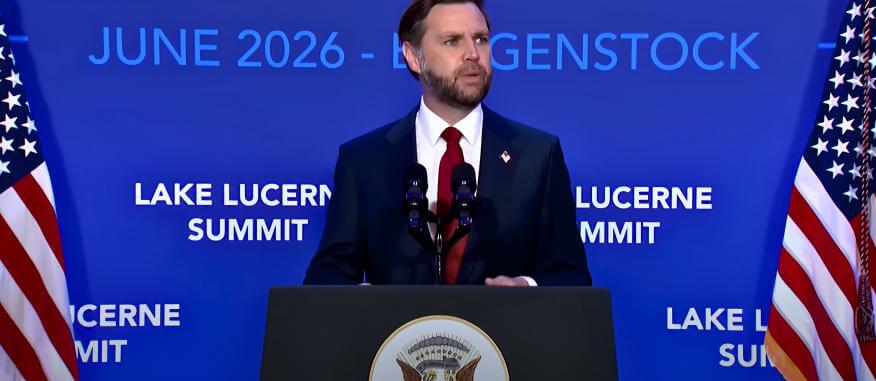
The decision followed talks in Buergenstock, Switzerland, where senior American and Iranian representatives met with mediators from Qatar and Pakistan. Participants agreed to continue technical discussions throughout the week and established a roadmap aimed at reaching a more comprehensive agreement within the next two months.
U.S. Vice President JD Vance described the discussions as productive, saying they created a foundation for a broader settlement. He said the parties had discussed arrangements related to nuclear oversight, management of frozen Iranian assets and mechanisms designed to support ceasefires across the region.
Iran, however, signaled a more cautious interpretation of the negotiations. Foreign Ministry spokesperson Esmaeil Baghaei said Tehran had not entered substantive talks on its nuclear program and had not undertaken any new commitments on that issue.
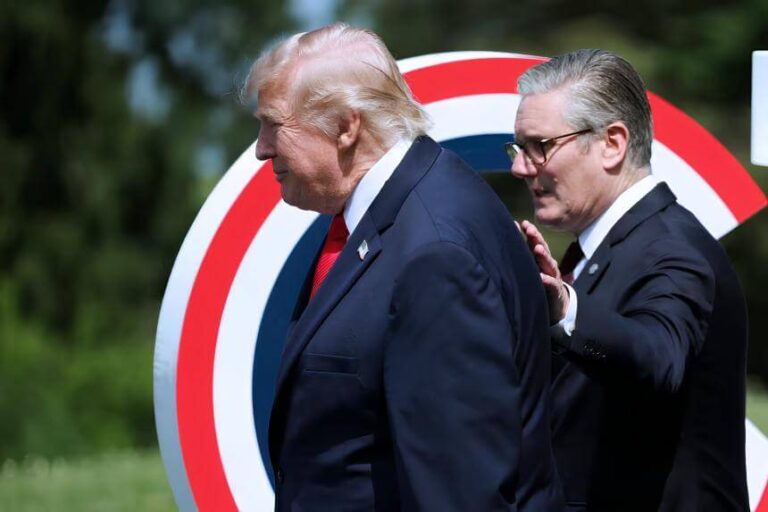
President Donald Trump indicated that future inspections would be an important element of any final agreement. He also warned that Washington could take action if Iran failed to honor the terms of the developing accord.
Dispute Over Frozen Funds
Despite progress in the talks, differences remain over how Iranian assets held abroad would be used if released.
Vance said a proposal developed by White House envoy Jared Kushner would place oversight of unfrozen funds under U.S. and Qatari supervision, with money potentially directed toward purchases of American agricultural products including corn, soybeans and wheat.
Iranian officials offered a different interpretation. Foreign Minister Abbas Araqchi said the understandings reached so far included sanctions relief for oil and petrochemical exports, access to portions of frozen assets and the launch of a reconstruction and development program.
Meanwhile, Central Bank Governor Abdolnaser Hemmati stated that Iran had not accepted any requirement limiting expenditures to U.S. agricultural goods and said some funds could be used to purchase other non-sanctioned products.
Shipping and Energy Markets
The negotiations came after tensions over the Strait of Hormuz threatened to undermine the fragile agreement. Concerns intensified over the weekend following warnings from Washington that renewed conflict could follow any disruption to commercial navigation through the strategic waterway.
By Monday, tanker traffic through the strait had begun recovering, while oil prices continued to decline. Markets reacted positively to signs that diplomatic channels remained open and that both sides were pursuing mechanisms intended to prevent incidents at sea.
Negotiators also agreed to establish direct communications procedures aimed at safeguarding commercial shipping and reducing the risk of confrontation in the Gulf.
Fighting Eases in Lebanon
Alongside the U.S.-Iran discussions, diplomats reported progress on efforts to reduce hostilities in Lebanon.
An interim regional agreement calls for a halt to fighting, including clashes involving Israel and Hezbollah. Although Israel is not a direct participant in the broader U.S.-Iran arrangement and has stated it does not intend to withdraw troops from Lebanese territory, a separate ceasefire was reached on Friday.
Heavy fighting continued for roughly another day, but Lebanese officials reported a noticeable decline in violence beginning Saturday night.
In the southern city of Nabatieh, hospital director Hassan Wazni said the area had experienced its longest sustained period of calm since the conflict began. The war has displaced more than one million people across Lebanon, with some residents starting to return while many others remain hesitant amid uncertainty over whether the ceasefire will hold.
The impact of recent fighting remains visible. In the southern town of Qennarit, mourners gathered for the funerals of four women killed during Israeli strikes carried out on Saturday.
Next Steps
Technical-level negotiations between the United States and Iran are expected to continue throughout the week as diplomats work on details of a potential long-term agreement.
Separate talks between Israel and Lebanon are scheduled to resume in Washington on Tuesday. Lebanese officials have indicated they intend to continue direct discussions despite concerns that developments involving Iran could overshadow efforts focused specifically on the Israeli-Lebanese conflict.
The coming weeks are expected to test whether the temporary sanctions relief, regional ceasefire arrangements and ongoing diplomatic contacts can be converted into a more durable settlement after months of war and escalating regional tensions.