Oil producers across the Middle East are preparing to restore crude production after recent disruptions eased, but energy specialists say the process will require careful management to avoid operational damage rather than the catastrophic failures suggested in recent political rhetoric.
The reopening of the Strait of Hormuz has allowed regional producers to begin planning a gradual return to normal exports following a period in which several countries curtailed production because of security concerns, storage limitations and disruptions linked to the conflict. Facilities in Iran, Saudi Arabia, the United Arab Emirates and Iraq were among those affected during the fighting.
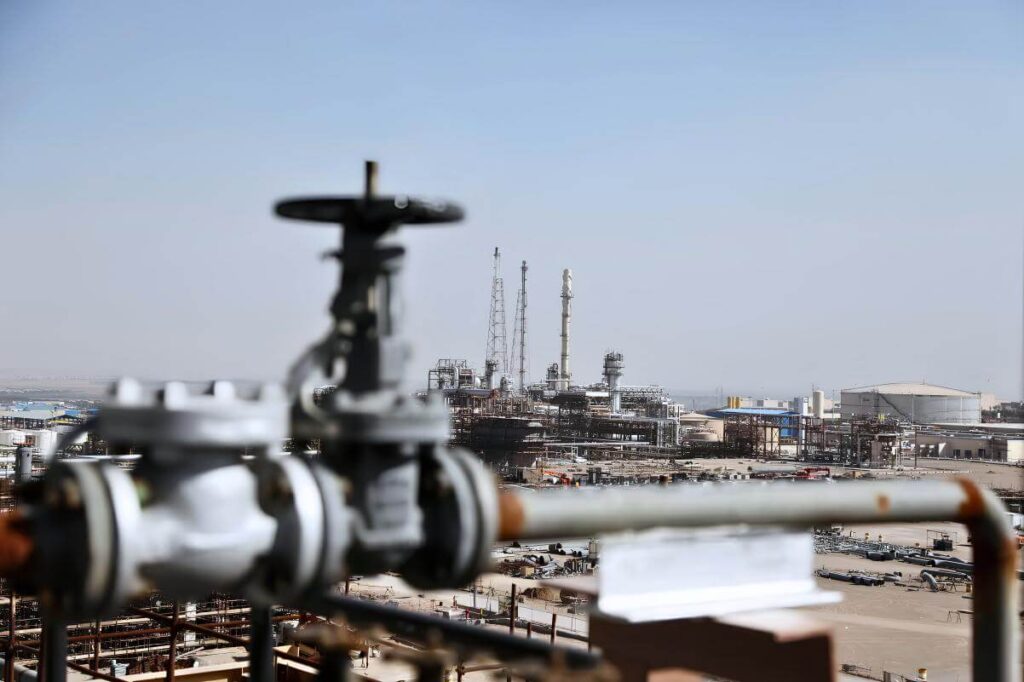
Restarting production is expected to take days or weeks rather than occurring immediately, as operators work to stabilize underground reservoir pressure and inspect equipment before increasing output.
Oil fields that remain inactive for extended periods can experience a range of technical challenges. Changes in reservoir pressure may reduce production efficiency, while water intrusion, corrosion, accumulated sediment and deterioration of well components can complicate operations. Engineers typically monitor these risks throughout the shutdown and restart process.
Industry analysts say such challenges are well understood and routinely managed by experienced operators.
Vikas Dwivedi, global oil and gas strategist at Macquarie Group, said the greatest uncertainty comes when production resumes because each reservoir can respond differently after being shut in.
Recent comments by U.S. President Donald Trump suggested that prolonged shutdowns could trigger underground explosions capable of permanently destroying oil infrastructure. Energy experts, however, say that characterization does not reflect how oil reservoirs generally behave.
Natasha Kaneva, head of global commodities strategy at JPMorgan, said concerns over widespread permanent production losses from recent shutdowns are likely overstated. While extended interruptions can affect well performance, large-scale irreversible damage is not considered the expected outcome under current conditions.
Industry experience also supports that assessment. During the sharp collapse in global fuel demand at the start of the COVID-19 pandemic, producers around the world temporarily halted production after storage capacity became constrained. Many wells were later returned to service without significant long-term damage.
Middle Eastern producers have also carried out temporary production cuts under previous OPEC output agreements, providing additional operational experience in managing shutdowns and restarts.
In some circumstances, temporary shut-ins can even help rebalance reservoir pressure, potentially improving future production from certain fields, analysts note.
Even so, restoring output remains a technically demanding operation. Producers must gradually increase production while balancing reservoir pressure through water and gas injection systems. Abrupt changes can place stress on reservoirs and increase the risk of leaks, equipment failures or structural damage to wells.
Because many of the region’s largest oil fields are interconnected and located close to one another, coordinated production management is essential. Operators often work together to ensure pressure remains stable across multiple wells as output increases.
Some companies also maintain minimal production during periods of reduced activity to preserve flow conditions and minimize operational risks associated with complete shutdowns.
Iran, despite years of economic pressure and sanctions, has extensive experience managing temporary production interruptions and subsequent restarts. Analysts say that expertise, combined with established industry practices across the region, is expected to support a controlled recovery in oil output as export routes normalize.
Attention is now shifting from the immediate effects of the conflict to the pace at which production can safely return. Energy markets will be closely watching the coming weeks for signs that regional producers are restoring supply without significant operational setbacks.