At least 32 people have been killed and approximately 700 others injured after two powerful earthquakes struck Venezuela’s capital and surrounding regions, triggering widespread building collapses, infrastructure damage and a large-scale emergency response.
Interim President Delcy Rodríguez announced the preliminary casualty figures after declaring a nationwide state of emergency, cautioning that search and rescue operations remain underway and that the toll could rise as emergency teams continue to reach affected areas.
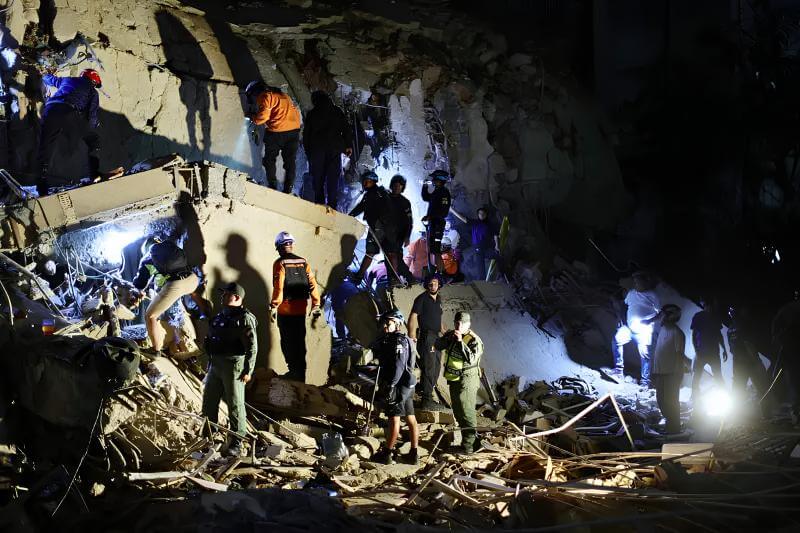
The earthquakes, measured at magnitude 7.2 and 7.5, struck within roughly a minute of each other, shaking Caracas and several northern coastal states. Rescue crews worked through the night at multiple collapsed structures as residents gathered outdoors amid concerns over aftershocks and unstable buildings.
Among the confirmed fatalities were three people killed when two residential buildings collapsed in the Caracas municipality of Baruta, Mayor Darwin González said. He added that other occupants had been rescued and injured residents were receiving medical treatment.
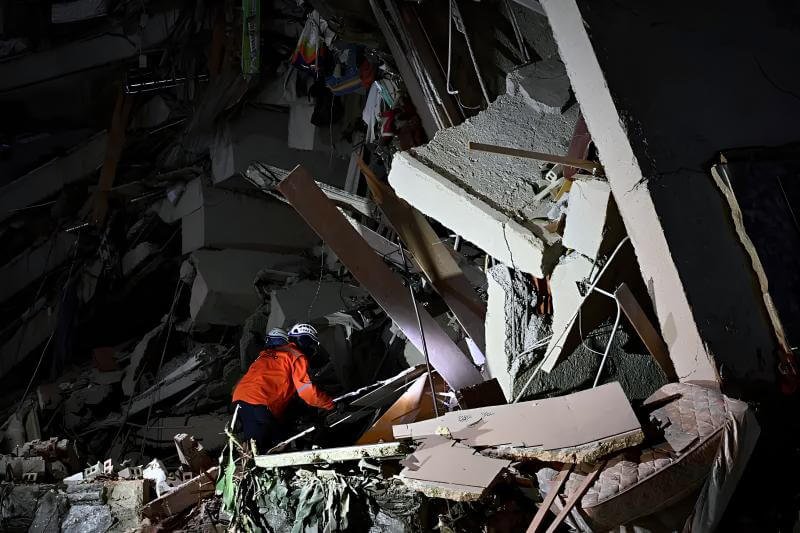
Elsewhere in the capital, Chacao Mayor Gustavo Duque Saez said two multi-storey buildings had collapsed completely. Eighteen people had been rescued alive from the site, while more than 500 emergency personnel continued searching for additional survivors. Local authorities also established emergency assistance centres in Plaza Altamira and Plaza Los Palos Grandes to help families locate missing relatives and provide shelter, water and information.
Emergency responders reported hearing people calling for help from beneath the rubble of collapsed buildings, underscoring the urgency of ongoing rescue operations. Authorities have urged residents not to return to damaged structures until engineering inspections are completed.
The full scale of destruction has yet to be determined. Power outages, damaged utility infrastructure and communications disruptions were reported across several districts of Caracas, including Los Palos Grandes, where residents described cracked apartment walls and fallen utility poles.
Critical transport infrastructure was also affected. Rodríguez announced the suspension of metro and rail services while safety inspections are carried out, and schools across the country will remain closed for the rest of the week.
Maiquetía International Airport, Venezuela’s main international gateway, was shut down after parts of its ceiling collapsed during the earthquakes. Video circulating after the tremors showed passengers evacuating terminals as debris fell inside the building.
The president’s office said more than 20 aftershocks had been recorded following the initial earthquakes. The strongest impacts were reported along Venezuela’s northern coast, including the states of La Guaira, Aragua, Carabobo and Falcón.
The United States Geological Survey (USGS) said the larger earthquake resulted from shallow strike-slip faulting near the boundary between the Caribbean and South American tectonic plates. The agency noted that earthquakes of this magnitude often involve movement across an extended fault zone rather than a single point and warned that additional aftershocks, some capable of producing strong ground shaking, remain possible.
International assistance began mobilising shortly after the disaster.
The United States said it was preparing search-and-rescue teams, humanitarian supplies and medical assistance to support Venezuela’s emergency response. Several Latin American governments also pledged aid, including El Salvador, Ecuador, Brazil and Mexico.
U.S. President Donald Trump expressed condolences following the disaster, saying federal agencies had been instructed to prepare assistance for Venezuela.
The U.S. Embassy in Caracas advised people to stay away from damaged areas, avoid entering compromised buildings and continue monitoring official safety updates.
Emergency officials continue to assess structural damage across Caracas and surrounding regions while rescue operations remain active. Authorities have not indicated when transportation services or the country’s main airport are expected to reopen, and engineers are inspecting buildings before residents are allowed to return.
The earthquake sequence represents one of Venezuela’s most destructive seismic events in recent years, with recovery efforts expected to continue as officials work to account for those still missing and evaluate the full extent of the damage.