Recent US intelligence assessments conclude that Iran has demonstrated the capability to shut down the Strait of Hormuz if it chooses, a development that American officials believe has significantly altered the strategic balance in one of the world’s most important maritime trade routes.
The assessment follows weeks of conflict in the Gulf and comes ahead of the formal signing of a framework agreement between Washington and Tehran that is intended to restore commercial navigation through the narrow waterway while paving the way for renewed nuclear negotiations.
Although the agreement is expected to reopen the passage, intelligence officials reportedly believe Iran has established a credible ability to interrupt shipping again in the future, giving Tehran a powerful source of leverage over global energy markets.
US officials have not publicly released the intelligence findings. The White House and the Office of the Director of National Intelligence did not immediately comment on the reported assessments.
A senior US administration official said Iran will receive no benefits under the proposed agreement unless maritime traffic remains uninterrupted and Tehran complies with its commitments. The official added that any easing of US measures would occur gradually as commercial shipping resumes safely through the strait.
The Strait of Hormuz carries a substantial share of the world’s seaborne oil exports, making uninterrupted access essential for international energy supplies and global trade.
Concerns Extend Beyond Current Agreement
Shipping industry representatives expect vessel traffic to recover gradually rather than immediately, citing ongoing security concerns despite diplomatic progress.
US intelligence officials reportedly believe Iran retains significant military capabilities that could again threaten navigation in the region. Those capabilities are said to include missiles, drones, missile launchers, naval fast attack craft and other assets capable of disrupting maritime traffic.
Separate discussions have reportedly considered whether allied countries could help secure the waterway after commercial operations fully resume, although no final arrangements have been announced.
Intelligence assessments have also examined the possibility that Iran could seek to increase pressure on international trade through allied groups if negotiations with Washington collapse.
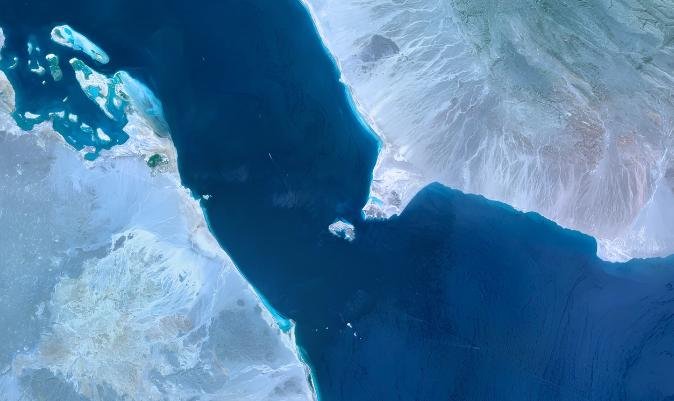
Among those concerns is the strategic importance of the Bab el Mandeb Strait, another major shipping corridor linking the Red Sea to the Indian Ocean. Officials familiar with the assessments reportedly believe any disruption there would have significant consequences for global commerce.
Intelligence Agencies Reviewing Future Risks
Since the recent closure of the Strait of Hormuz, US intelligence agencies have continued evaluating how Iran may employ similar tactics during future regional crises.
Officials familiar with those reviews say there is no complete consensus across the intelligence community regarding Tehran’s future intentions. However, multiple assessments reportedly conclude that Iran may have gained confidence after demonstrating its ability to disrupt maritime traffic and strike regional energy infrastructure without exhausting much of its military capability.
That conclusion has prompted renewed concern within Washington that similar actions could be repeated during future confrontations.
Earlier this week, a senior administration official said the objective of ongoing diplomatic efforts is to establish arrangements that would prevent another closure of the strategic waterway.
Vice President JD Vance also said he believes Iran agreed to the current framework in part because its leverage over the Strait of Hormuz is expected to diminish once the agreement takes effect.
President Donald Trump said earlier this week that portions of the shipping route had already begun reopening while mine clearance operations continued. He said the memorandum of understanding scheduled to be signed in Geneva would fully restore navigation and described the future passage as toll free.
Earlier Assumptions Reconsidered
Before the conflict, Iranian leaders had repeatedly warned they could close the Strait of Hormuz if confronted militarily by foreign powers. US officials had generally assessed that carrying out such a move would impose substantial economic costs on Iran itself, making it an unlikely option.
Several officials familiar with previous planning discussions say those assumptions influenced military planning at the beginning of the conflict. The administration reportedly prioritized strikes against Iranian military targets rather than dedicating greater resources to deterring a closure of the waterway.
As the conflict unfolded, those calculations changed.
US officials now reportedly believe Iran decided to close the strait only after concluding that American objectives extended beyond military operations and threatened the survival of the Iranian government itself. Intelligence assessments indicate the decision followed several days of escalation rather than occurring immediately after initial strikes.
Diplomatic Path Remains Uncertain
Despite progress toward reopening the Strait of Hormuz, uncertainty remains over whether the broader diplomatic process will produce a lasting reduction in regional tensions.
Officials familiar with current discussions say Tehran appears to be carefully calibrating its actions while preserving strategic options should negotiations fail.
One continuing concern involves the potential role of Yemen’s Houthi movement, which has previously targeted commercial shipping in the Red Sea. Intelligence officials reportedly believe Iran has refrained from encouraging broader attacks because doing so could undermine ongoing negotiations.
Analysts caution that any future disruption affecting both the Strait of Hormuz and the Bab el Mandeb Strait would have far-reaching consequences for international shipping, energy supplies and the global economy.
For now, attention remains focused on implementation of the Geneva framework agreement and whether it can secure sustained commercial navigation while reducing the risk of renewed confrontation in the region.