The military confrontation between the United States and Iran has entered a more dangerous phase, with both countries widening their military operations and increasing concerns that the conflict could spread across the Middle East.
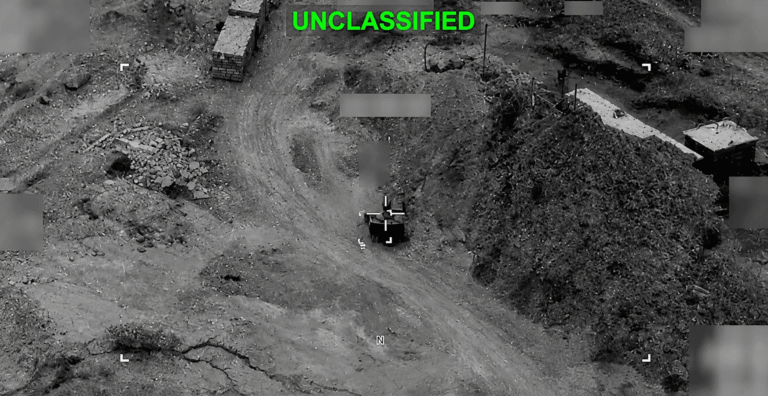
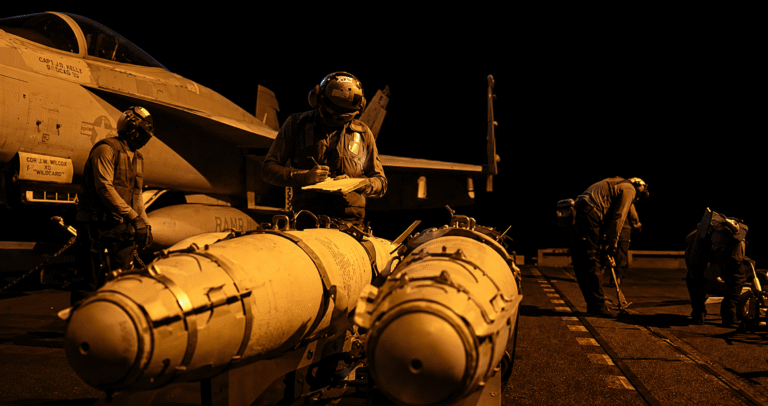
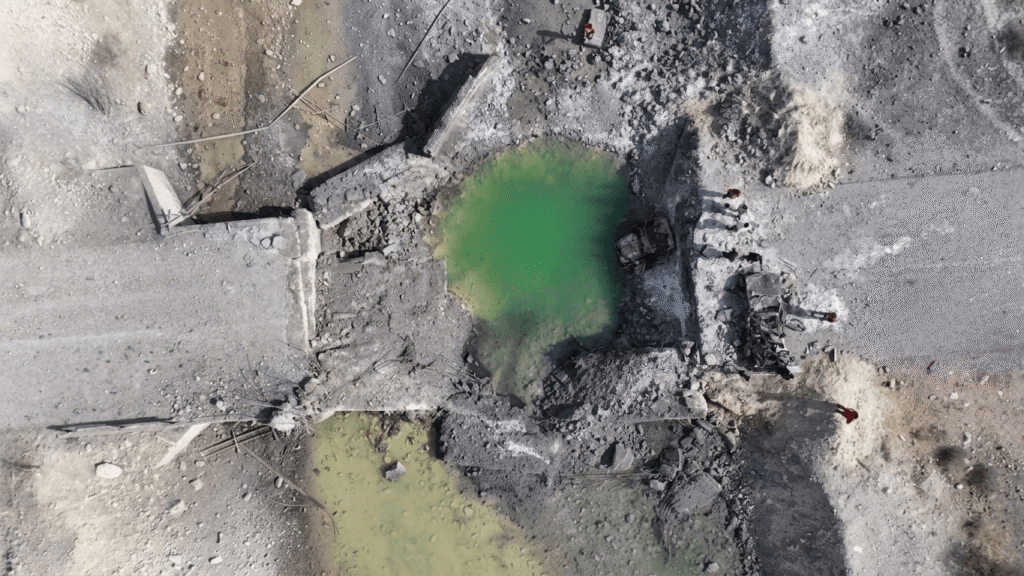
In recent days, US forces have expanded their strikes beyond Iranian military installations along the coast, targeting transportation routes, port facilities and other strategic infrastructure. Iranian media have also reported damage to a desalination plant following the latest attacks.
Iran has responded by broadening its own campaign, launching attacks against targets across several countries in the region. Kuwait has reported damage to an oil refinery and a desalination facility, while Jordan has continued to face repeated missile barrages.
The latest escalation follows the collapse of diplomatic efforts that had temporarily eased tensions. Both Washington and Tehran have indicated that the memorandum of understanding reached in June is no longer considered valid, removing one of the few remaining diplomatic restraints on the conflict.
The security situation worsened after two US service members were killed in Jordan during an Iranian missile attack on Friday. The United States later confirmed the death of another service member in northern Iraq, pledging a swift response against Tehran. Iran subsequently launched additional strikes targeting Jordan.
Security analysts warn that the conflict is approaching a point where both sides may struggle to control its direction.
Several experts believe the confrontation, which initially appeared carefully managed by both governments, is now at risk of expanding beyond its original boundaries. They caution that Gulf states could become more directly involved, placing additional critical infrastructure and regional economic assets in danger.
The missile strike near Aqaba in Jordan has heightened those concerns. Israeli officials said debris from the attack landed inside Israeli territory. Although Israel has largely remained outside the fighting, its government has warned that any direct Iranian attack would trigger a strong military response.
Military analysts say Iran has adjusted its battlefield tactics by deploying faster, more maneuverable missiles capable of challenging US defensive systems. Recent assessments also indicate that Tehran has increased its use of cluster munitions in an effort to inflict greater damage.
Inside Iran, authorities appear determined to continue the confrontation despite mounting economic pressure. The country continues to face high inflation, medicine shortages and broader financial challenges, yet its leadership has signaled that it is prepared to absorb further hardship rather than make concessions under military pressure.
At the center of the dispute remains the Strait of Hormuz, one of the world’s most important energy shipping routes.
The United States and many of its partners insist on maintaining unrestricted navigation through the waterway, while Iran continues to view control of the strait as a strategic tool in its confrontation with Washington.
The issue has become increasingly important as military operations have shifted away from Iran’s nuclear program and toward maritime security and regional trade routes.
Analysts also warn that if hostilities continue to intensify, Iran could seek additional support from allied Houthi forces in Yemen to disrupt commercial shipping through the Bab al-Mandeb Strait, another critical global maritime chokepoint linking the Red Sea to international markets.
Across the Gulf, governments are closely monitoring developments. Saudi Arabia, the United Arab Emirates, Bahrain and Qatar have previously urged Washington to avoid measures that could further destabilize maritime trade through Hormuz, reflecting growing concern over the economic consequences of a prolonged conflict.
Iranian media have also warned that key port facilities across Gulf states could become future targets if attacks on Iranian infrastructure continue.
Despite the expanding military campaign, analysts say a decisive victory for either side remains unlikely.
A large-scale ground invasion of Iran would require significant military resources and carry considerable risks. President Donald Trump has previously said he does not want to launch such an operation, although he has suggested that other regional partners could play a larger role if necessary.
Regional diplomacy has also slowed. Pakistan and Qatar, which helped facilitate talks between US and Iranian officials in Switzerland earlier this year, have maintained a low profile as fighting intensifies.
Some observers believe mediation efforts could regain momentum if the conflict begins to disrupt global energy markets more severely, particularly if oil prices rise sharply or shipping through the Strait of Hormuz faces prolonged disruption.
For now, many analysts expect neither a full-scale regional war nor an immediate diplomatic breakthrough. Instead, they anticipate an extended period of intermittent military strikes, retaliatory attacks and fragile pauses, with regional mediators continuing to search for opportunities to bring both sides back to negotiations.