
The cost of the United States’ military campaign against Iran has climbed to $37.5 billion, as lawmakers pressed Defense Secretary Pete Hegseth for answers on the war’s objectives, duration and long-term strategy during a tense Senate hearing.
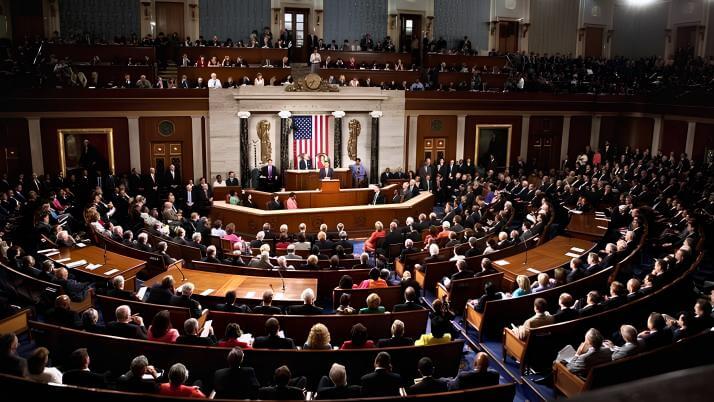
Appearing before the Senate Appropriations Committee on Tuesday, Hegseth defended the administration’s request for an additional $87.6 billion in emergency funding, more than $67 billion of which is earmarked for military operations and Pentagon priorities tied to the conflict.
The hearing highlighted growing questions in Congress over a war that continues to expand while showing few signs of nearing an end.
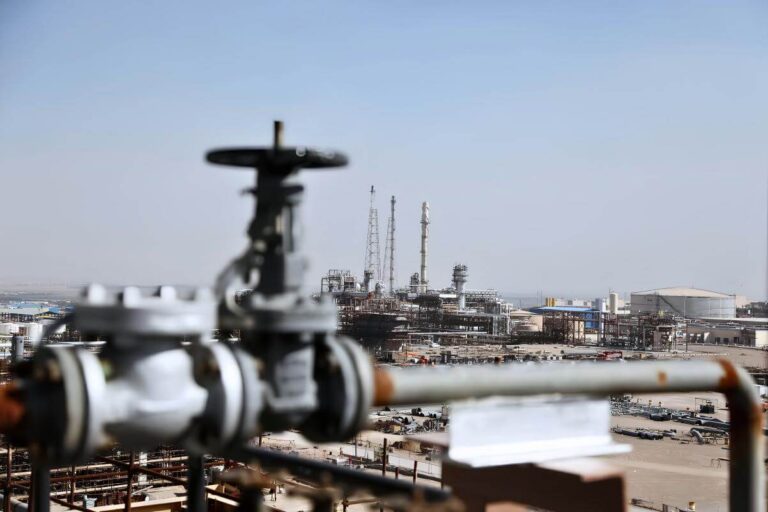
Lawmakers from both parties sought clarity on what would constitute success in the campaign, but administration officials offered few specifics beyond preventing Iran from acquiring a nuclear weapon and reducing its ability to threaten commercial shipping through the Strait of Hormuz.
Hegseth told senators the administration’s primary objective remains ensuring Iran cannot develop a nuclear weapon. He also said recent military operations are intended to weaken Iran’s surveillance and strike capabilities in the strategic waterway.
The hearing came as the conflict continues to intensify.
US military operations have expanded across Iran, while attacks on commercial shipping and regional military bases have raised concerns that the fighting could spread further across the Middle East. The Pentagon has also confirmed that nearly 100 US service members have been injured since early July, while recent attacks have pushed the number of American military deaths in the conflict to 18.
Democratic lawmakers questioned whether the administration had presented an accurate picture of the conflict’s progress.
Some senators challenged earlier claims that Iran’s military capabilities had been largely neutralized, arguing that continued fighting and repeated US strikes suggest the campaign is far from achieving a decisive outcome.
Others raised concerns about the financial burden of the war as Americans continue to face higher living costs at home.
Hegseth defended the administration’s approach, arguing that preventing Iran from becoming a nuclear power would ultimately strengthen US national security and avoid greater costs in the future.
President Donald Trump has also signaled that military operations could continue. Speaking at the White House, he indicated that domestic political considerations, including the upcoming midterm elections, would not influence decisions about the conflict.
His remarks have fueled speculation that the United States is preparing for a prolonged military campaign rather than a short-term operation.
While the administration previously expressed optimism that diplomatic efforts could reduce tensions, the collapse of the June memorandum of understanding between Washington and Tehran has shifted attention back to military operations.
With fighting continuing across the region and no renewed negotiations underway, lawmakers left Tuesday’s hearing without a clearer understanding of how or when the conflict might end.