At least 11 people were reported killed in Israeli strikes across southern Lebanon on Saturday, hours after a newly announced ceasefire between Israel and Hezbollah raised hopes of a reduction in cross-border fighting.
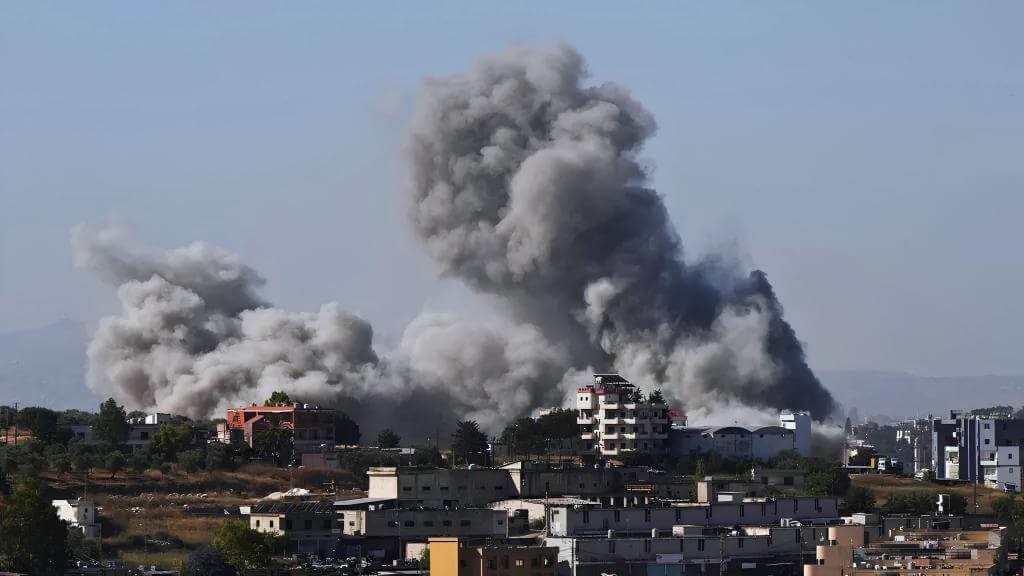
Lebanon’s state-run National News Agency (NNA) said Israeli warplanes, drones and artillery struck more than a dozen locations, with many of the attacks concentrated around the southern city of Nabatieh. The reported death toll has not been independently verified.
The Israeli military said its forces targeted what it described as Hezbollah positions after the group launched more than 50 projectiles toward Israeli troops operating in southern Lebanon. It said the strikes were directed at “Hezbollah terrorist targets.”
The renewed violence came despite the announcement of a ceasefire less than 24 hours earlier, prompting renewed concern over the durability of efforts to halt hostilities along the Israel-Lebanon border.
Washington has publicly expressed concern over Israel’s continued military operations in Lebanon, warning that sustained fighting could undermine a broader diplomatic agreement reached with Iran. The agreement includes commitments aimed at ending hostilities across multiple regional fronts, including Lebanon. Iranian officials have maintained that any lasting regional settlement must also address the conflict involving Lebanon.
Diplomatic efforts remain active, with U.S. envoy Steve Witkoff expected to travel to Switzerland for initial discussions with Iranian representatives intended to reinforce the recently announced agreement.
Images and video circulating from southern Lebanon on Saturday showed large columns of smoke rising above several areas following the reported strikes.
Hezbollah indicated it would continue responding to Israeli military action if operations inside Lebanon persist. Senior Hezbollah official Hassan Fadlallah said the group’s priority was ensuring Israel fully complies with the ceasefire and refrains from further attacks or attempts to expand its military presence inside Lebanese territory.
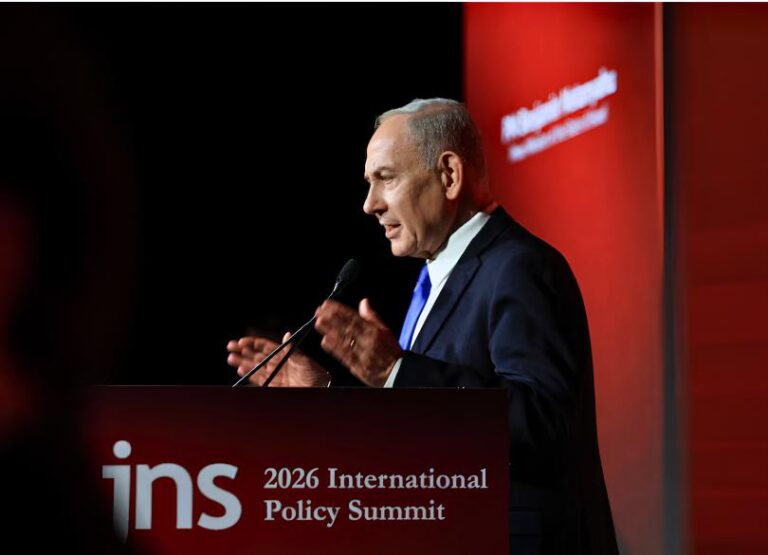
Israeli Prime Minister Benjamin Netanyahu has faced pressure within Israel to continue military operations against Hezbollah, the Iran-backed Lebanese armed group and political movement. Hezbollah has likewise maintained that it will continue attacks if Israeli forces remain inside southern Lebanon.
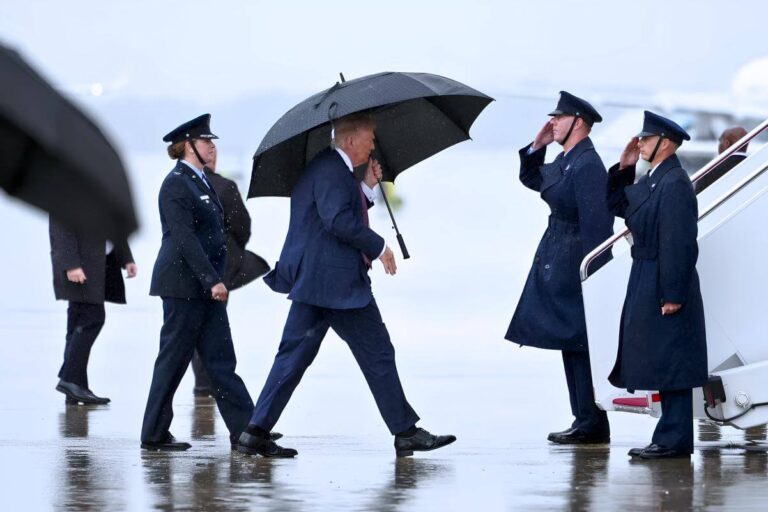
Earlier in the week, the White House warned that Israel’s campaign in Lebanon could jeopardize the broader diplomatic initiative with Iran. At the same time, U.S. President Donald Trump praised Netanyahu during a public appearance near Washington, describing the Israeli leader as a “warrior.”
The latest phase of the conflict began in March when Hezbollah launched rockets and drones into northern Israel, saying the attacks were in response to an Israeli strike that killed Iran’s supreme leader. Israel responded with an extensive air campaign across Lebanon and has continued military operations in the country’s south.
Israeli forces currently control roughly five percent of southern Lebanese territory, saying the objective is to push Hezbollah fighters farther from Israel’s northern border.
The fighting has displaced around one million people across Lebanon, while extensive damage has been reported in numerous southern communities. It remains unclear whether Saturday’s strikes will affect ongoing diplomatic efforts aimed at preserving the newly announced ceasefire, as both military operations and negotiations continue.